

About the Water Fairies…
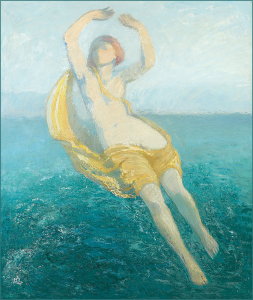
Henrik Schouboe
(1876 – 1949 Danish)
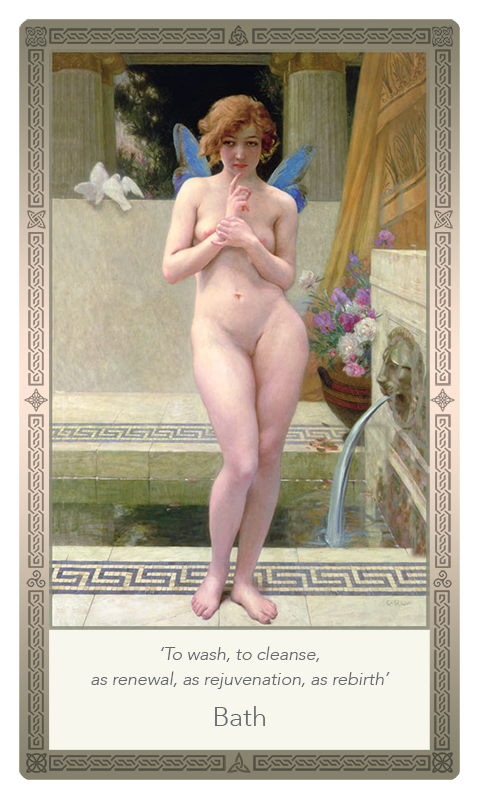
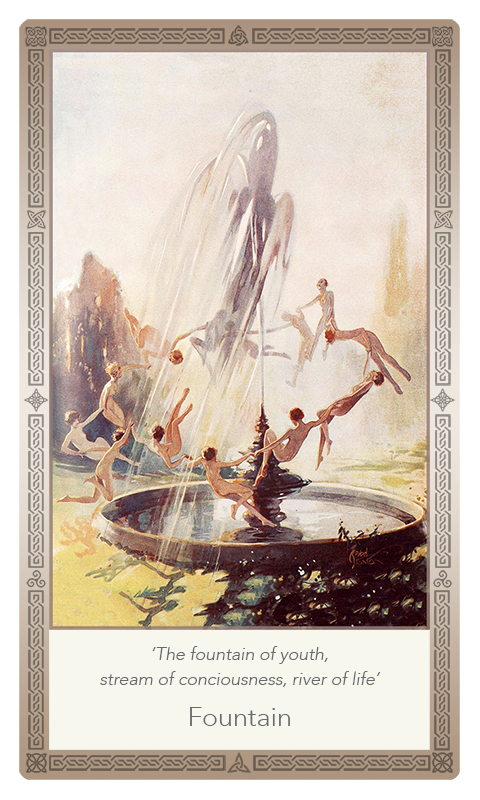
Water fairies, classically known as Undine, embody, reflect and express the dominant characteristics of the element water. The word ‘undine’ was first introduced by Paracelsus in the early 1500’s as part of his general description of fairies, with ‘undine – corresponding to water’.
The word ‘undine’ has since become the primary category description, or catch-all phrase referring to all fairies primarily related to or aligned with water. This includes mermaids, nymphs, ashray, kelpies, silkies, will-o-wisps, alven, water guardians and similar. Each of these types of water fairies are a class or classification of undine.
Further, within each classification of undine, there may or may not be subclasses. For instance, ‘nymphs’ is a large class of fae, including the water fae Nereids (sea nymphs), Naiads (spring nymphs), Oceanids (ocean nymphs), Hyades (rain nymphs), and all the naiads or nymphs found in pools, ponds, lakes, brooks, streams, rivers, fountains and so forth. This is all to say there are a lot of various types of water fairies.
Regardless of the number or kind of undine or fae associated with the element water, they all share the primary qualities of water, and that being nourishment, rest, healing and cleansing. The influence of the water element also enhances emotions and intuition. The appearance of any type of water fairy in one’s life indicates a time to rest and rejuvenate, with self care, bath, sleep and other soothing activity. It is also a time to trust one’s intuition, instinct, and emotional wisdom.
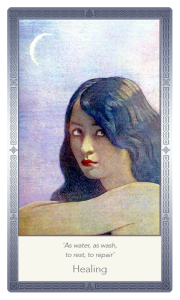
by Frederick Cayley Robinson
(1862 – 1927 British)
Water fairies are generally attached to a specific environment, such as pool or stream, and as such are both parts protectors and seductors. Protection is part of the healing environment, creating a safe space, free from harm, hidden by glamour, and seduction in terms of the siren call to fall into the soothing waters of their homes, to relax, to drift, to doze. These qualities are the primary magic the water fairies exhibit, to attract, to appear beautiful, to sing and call one home.
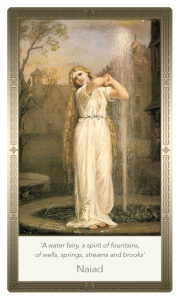
by John Williams Waterhouse
(1849 – 1917 English)
Also different types of water fairies present different situations, based on their environments. Mermaids often have an alluring beauty, but are drenched is water magic, the ocean being their home. As such they can be very powerful and introduce too much water element (flood) into one’s life, an intoxication. At the other end of the spectrum is the ashray, misty beings that evaporate in sunlight turning into rainbows. Their presence is like a hint, a gentle reminding of the soft and soothing qualities of quiet places of water. Somewhere in the middle are kelpies, strong water fae of streams and rivers, with equally strong medicine or magic. And nymphs with their unearthly beauty and sexual allure, are another type of intoxication, where nature unveils herself.
Water fairies are more imbued with magic rather than actively practicing it. The play with light, spin glamour and sing sirens songs, but overall their magic is more embodied within them, in their attractiveness which surrounds them, the magnetism they possess, the lulling touch and presence they are, and the healing aura of them and their environments. Like all the elementals, the key to interaction with the undine is ‘balance’, finding the right place between drought and flood, imagining oneself as a field of grain watered by the right amounts of rain to flourish and grow. And regarding water, it is a time to learn to adopt the qualities of water, to flow, to drift, to float and the like.
References –


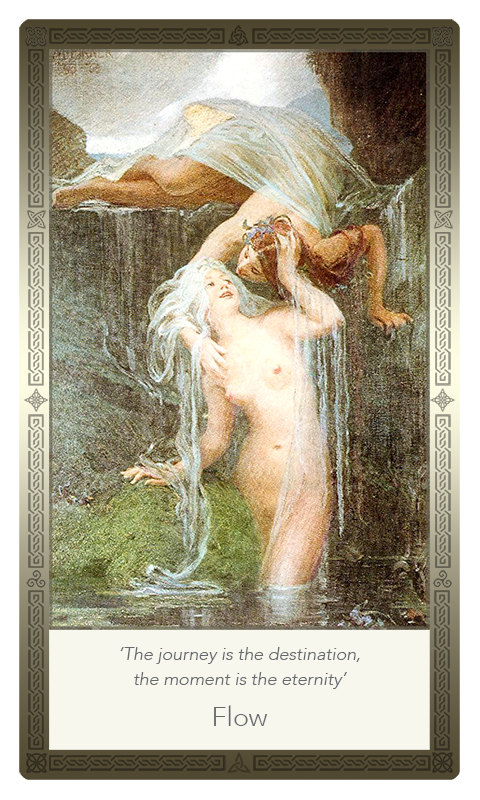


See Also
The Elementals – https://faeryfae.com/the-elementals-earth-air-water-fire/
Air Fairies – https://faeryfae.com/air-fairies-the-elementals/
Fire Fairies – https://faeryfae.com/fire-fairies-the-elementals/
Earth Fairies – https://faeryfae.com/earth-fairies-the-elementals/